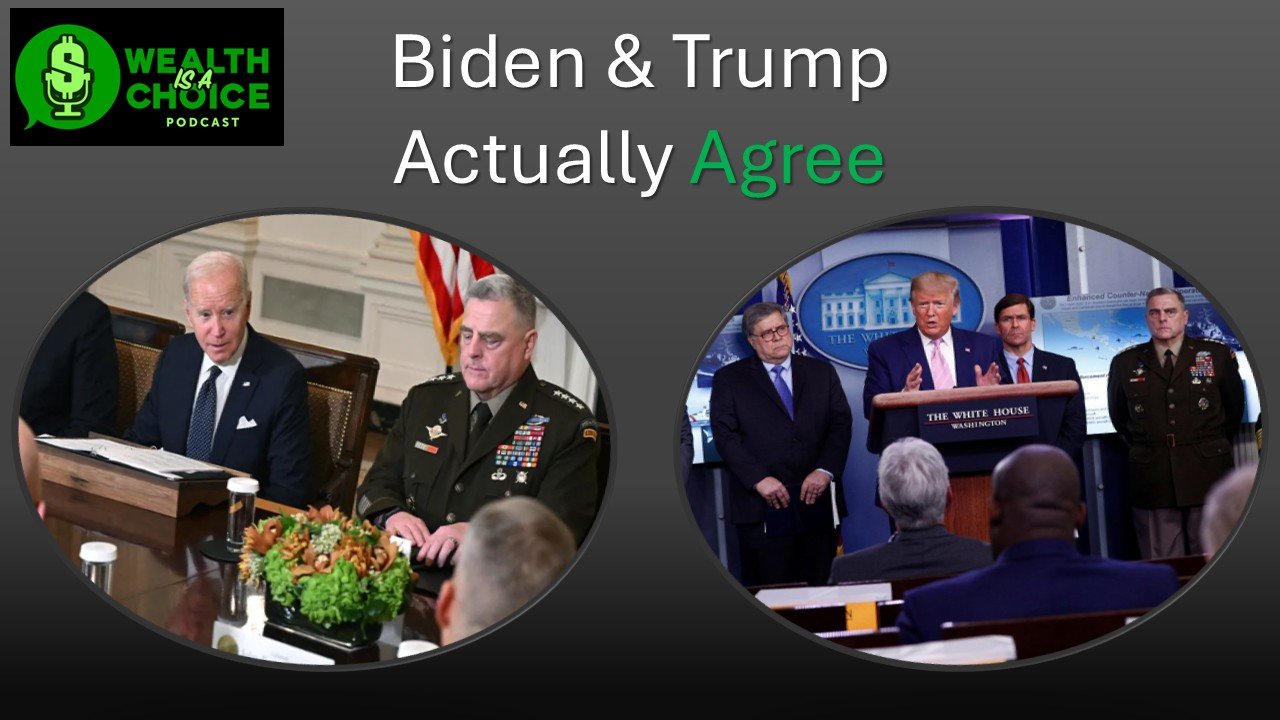
National Security Strategies
James Studinger delivers a nonpartisan comparison of the Biden (2022) and Trump (2025) National Security Strategies, and the results may surprise you.
While political debate often frames national security as deeply divided, this analysis reveals something very different: both strategies converge on many of the same core challenges, priorities, and long-term goals.
James walks through the key areas where both administrations align, including China as the primary long-term strategic competitor, the need to rebuild U.S. manufacturing and supply chains, and the importance of a strong defense industrial base.
Where they differ is not in the destination but in how to get there.
Biden’s approach emphasizes systems, alliances, and institutions, while Trump’s strategy focuses on incentives, leverage, and direct economic and military pressure.
Despite these differences in style and execution, both strategies reflect the same underlying reality: global competition, supply chain vulnerability, and national strength at home are now central to U.S. security.
James also explains why this convergence matters, not just politically but practically, for investors, business leaders, and anyone trying to understand the future of global markets and geopolitical risk.
The key takeaway: These strategies are not just political documents, they are reflections of long-term structural shifts that will shape policy regardless of who is in office.
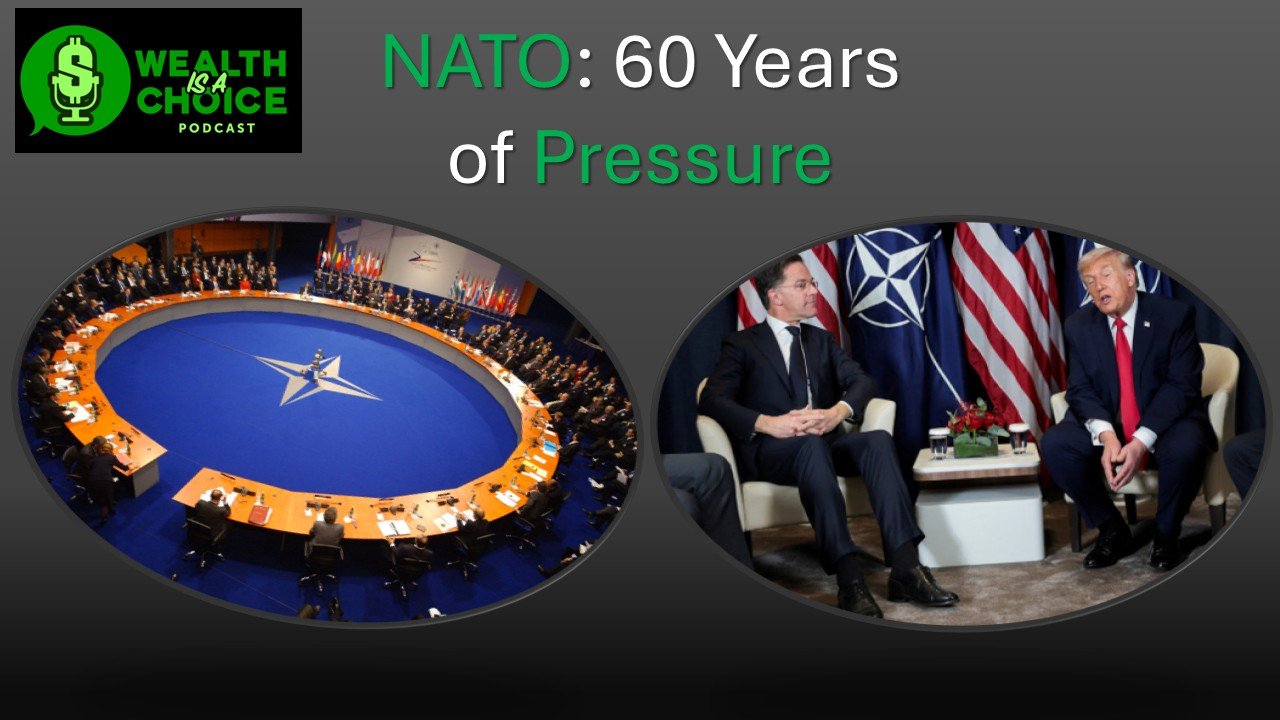
Nato Defense Spending -Explained
In this video, James Studinger breaks down one of the most misunderstood topics in global policy: NATO defense spending, what it actually is, how it works, and what the numbers really mean.
This is a nonpartisan, historical analysis spanning over 75 years, from President Kennedy to President Trump, examining how NATO funding has evolved and what has truly driven changes in spending across the alliance.
James clarifies a critical distinction often lost in public debate: the difference between NATO’s common fund and national defense spending. While the common fund represents a relatively small shared budget, the real conversation centers on the trillions spent by individual nations on their own militaries.
He then walks through the history of NATO burden-sharing, showing how defense spending rises in response to Russian military aggression, and how U.S. presidential pressure, across both parties, has consistently pushed allies to contribute more.
The data reveals a clear, nonpartisan pattern: both geopolitical threats and sustained U.S. pressure are required to drive meaningful increases in allied defense spending.
James also examines the massive spending gap between the United States and its allies, explaining how even small percentage differences translate into hundreds of billions of dollars annually, and what that means for long-term global security.
This video cuts through political noise to provide a grounded, fact-based understanding of NATO, why the debate exists, what’s accurate, and what actually matters moving forward.
If you want a clearer picture of global defense strategy, alliance dynamics, and the real story behind the headlines, this is a must-watch.

Perspective as We Enter 2026

Are You Getting the Most Out of Your 401(k)

Dr Greg Gogolins No Brainer to Advanced Cyber Security Best Practices

The Best Gift You Can Give a Young Investor: Time

Watch out for These Estate Planning Pitfalls

Stay up to Date on Recent Scams

What’s Happening in 2025: Key Topics You Should Know

Change is Necessary

The Roth Paradigm Shift

Change is necessary

Budget: A word you probably hate but shouldn't (3 min read)

Worst Case Scenario A Scammer Has Your Info (3.5 min read)

Are Millennials Better at Investing? (2 min read)

These zombies are real and you may have some (4 min read)

Can you spot an impostor scam? (2.5 min read)

Forecasts & 2025 Budget

2023 End of Year Summary